Three days at Leeds, Manchester and York
Starting a collaboration with bioinformatics cores, on running Inflexa on their own infrastructure with their own models
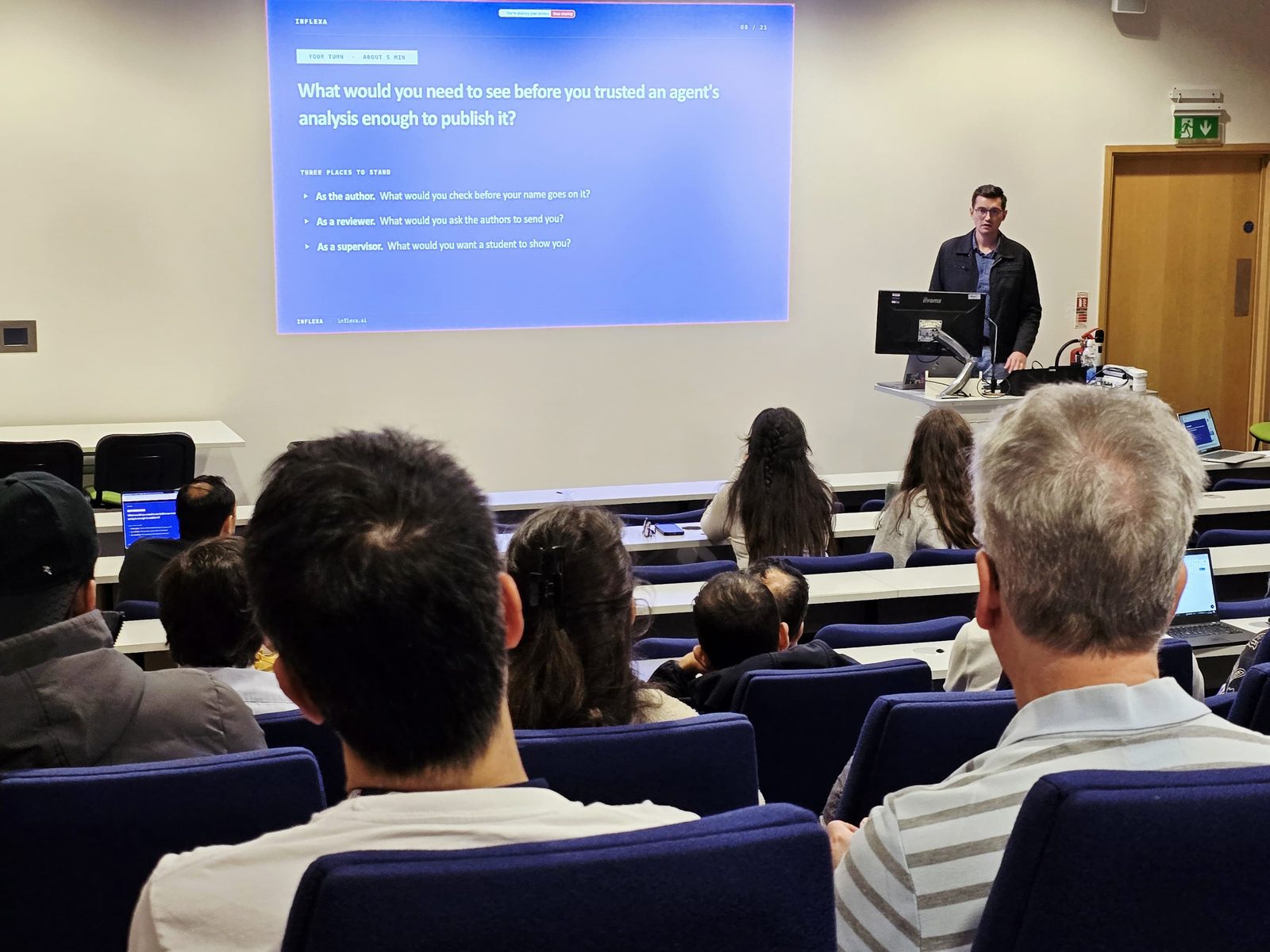
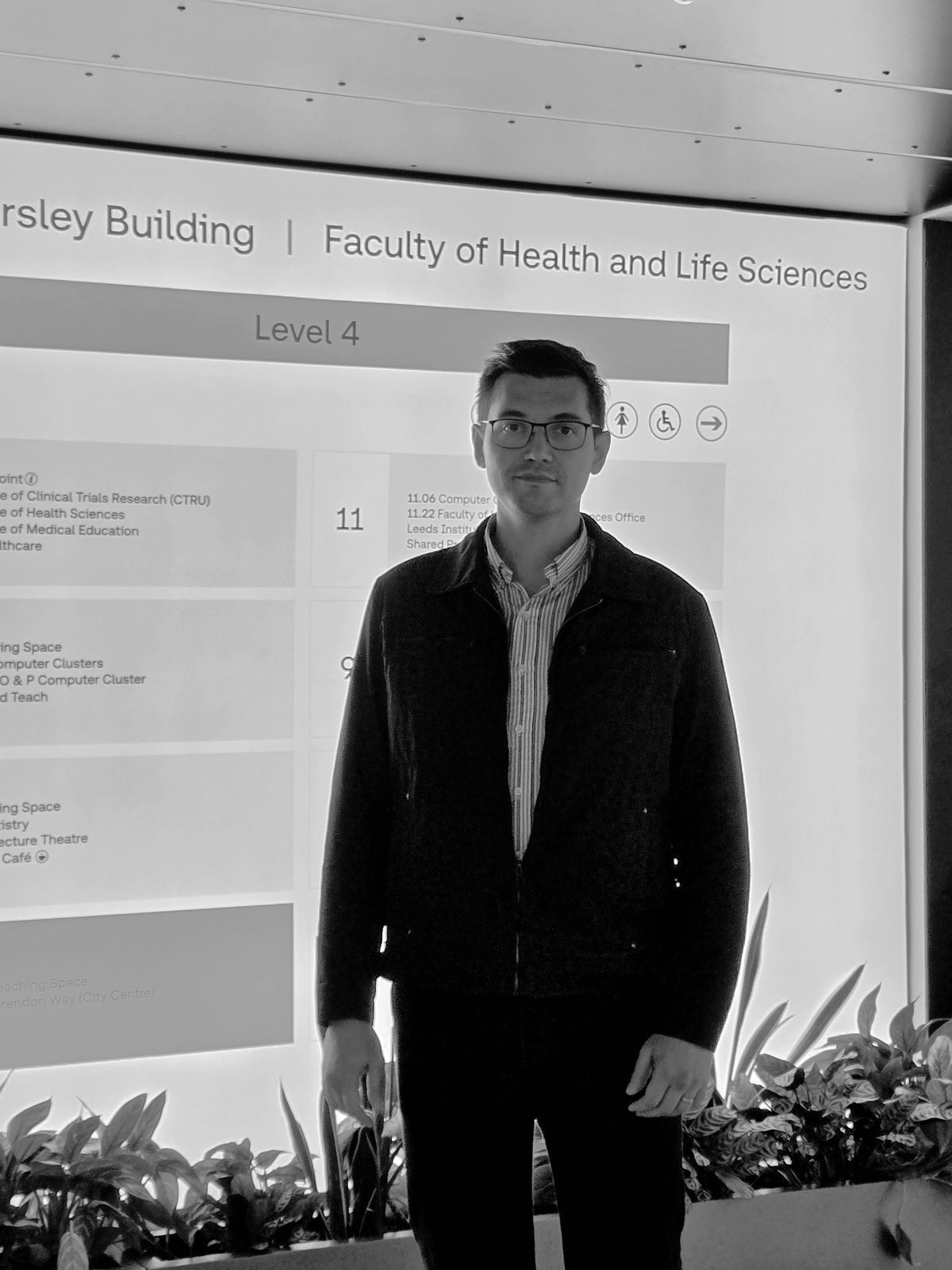
In mid-October, Radu Tanasa spent three days at the University of Leeds, the University of Manchester and the University of York. The goal was to start working with their bioinformatics core facilities on one question: what would it take for a core to use Inflexa on its own infrastructure, on premises, with models it hosts itself?
This is the very beginning of that work. Nothing is deployed yet, and most of the answers are still ahead of us. We came back with good conversations, and with people we hope to work it through with.
University of Leeds
Monday, October 12
Talk and discussion at Omics LeedsUniversity of Manchester
Tuesday, October 13
Research seminar, then meetingsUniversity of York
Wednesday, October 14
Meetings on working together
Leeds: what would you need to see?
On Monday, Radu spoke to the Omics Leeds community at the invitation of Elton Vasconcelos. The talk was about AI agents in computational biology, and what it would take to actually trust an analysis one of them ran for you. About half the hour went to discussion, around one question: what would you need to see before you'd publish an analysis an agent ran?
Most answers were along these lines:
- “I’d want to be able to re-run it independently.”
- “I’d like to be able to see the reasoning behind each decision.”
- “I’d want to make sure reports and references are not hallucinated.”
All three come back to the same thing: being able to check the work yourself. It is why the scientist has to stay in charge. An agent can take on more of the running, and a person still makes the calls and puts their name on the result.
Manchester: from the room to the next step.
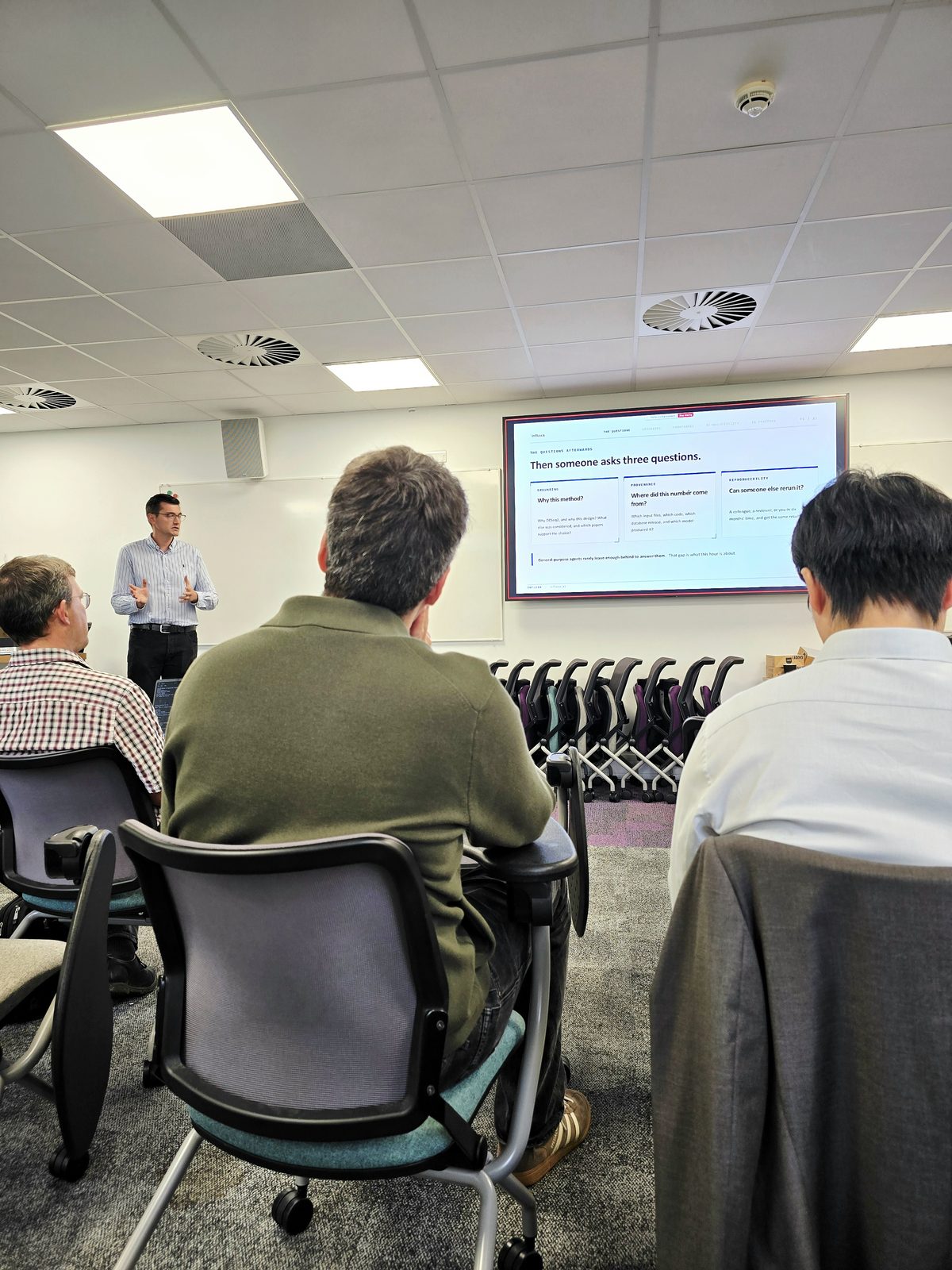
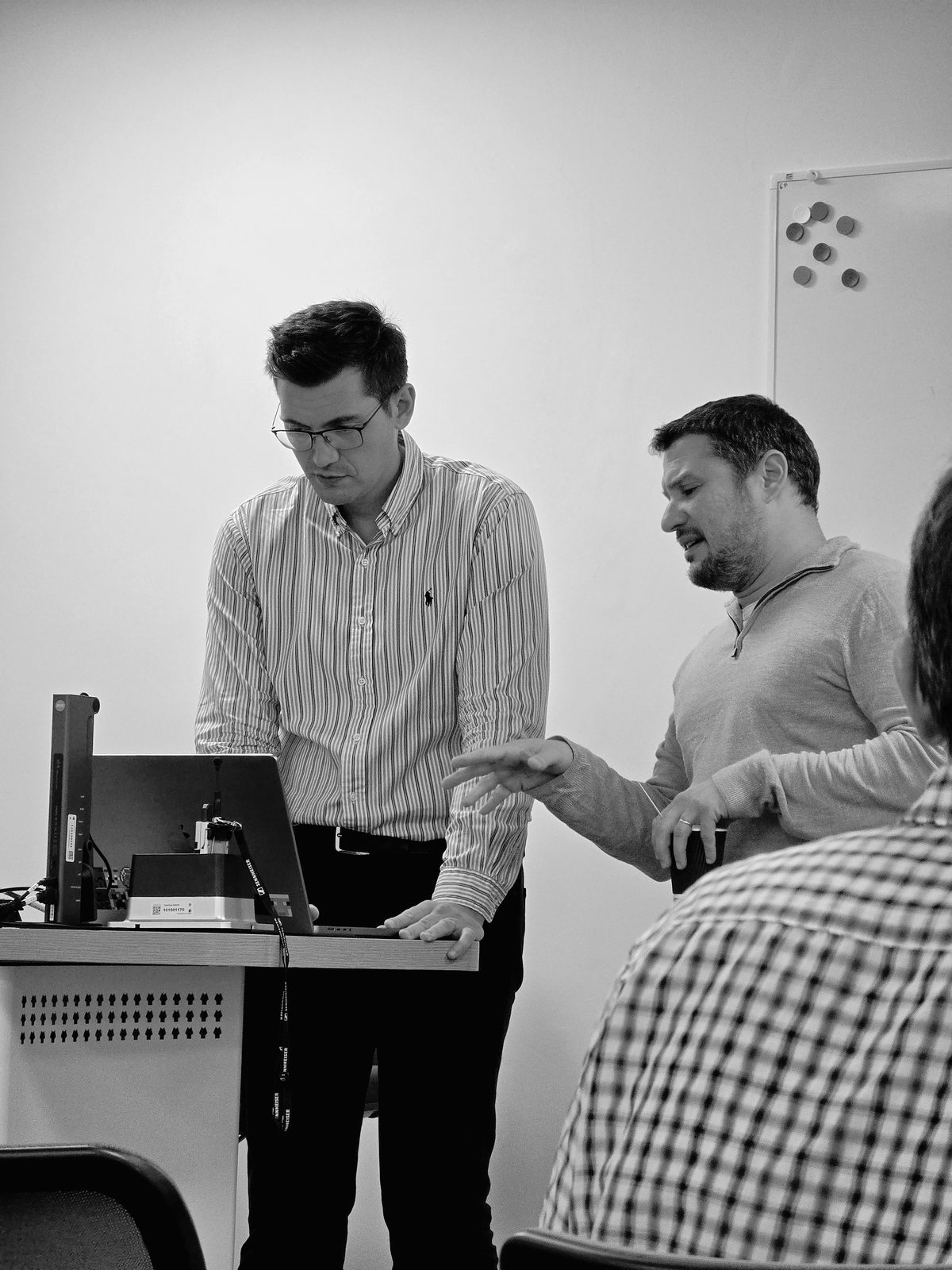
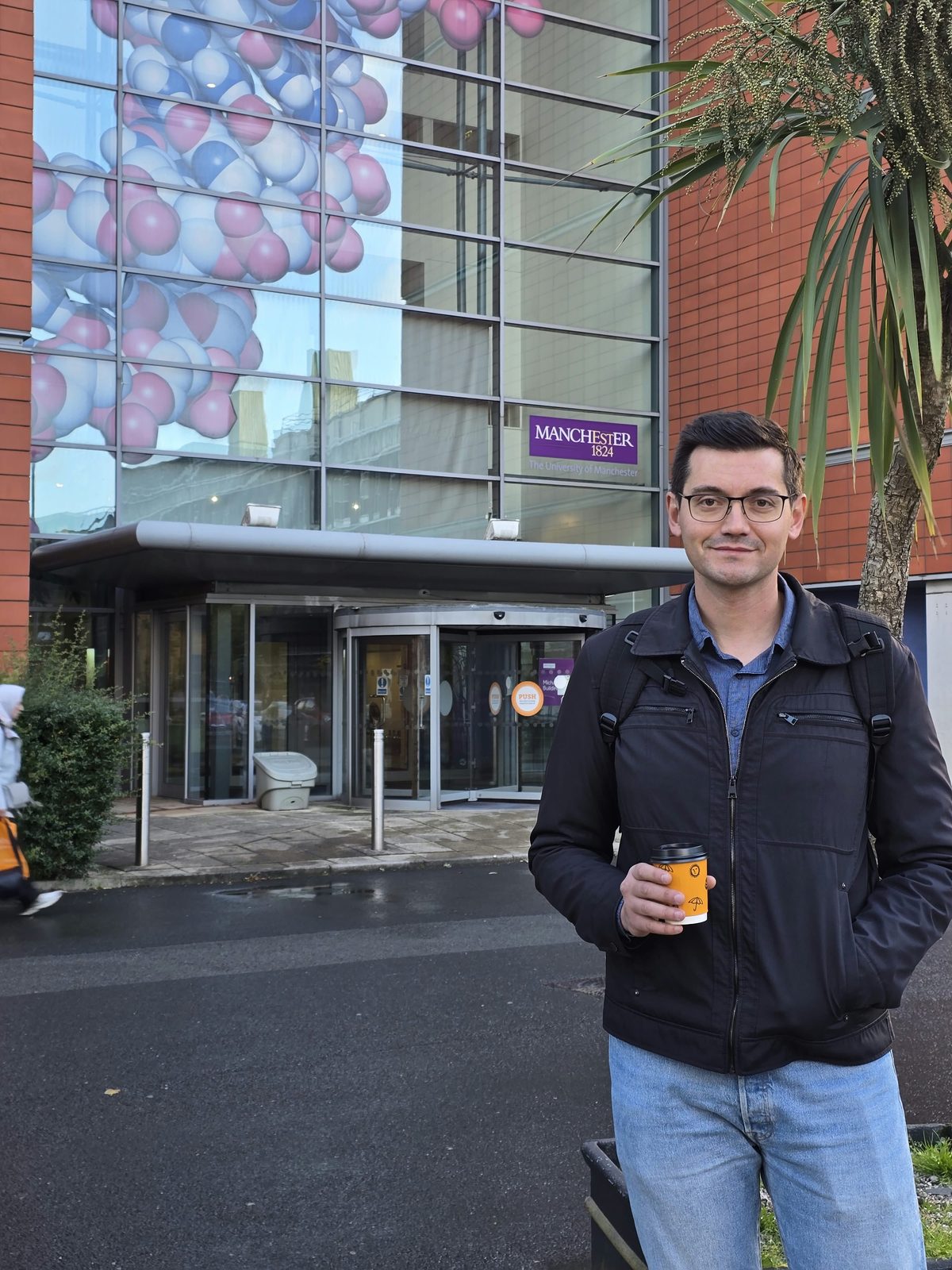
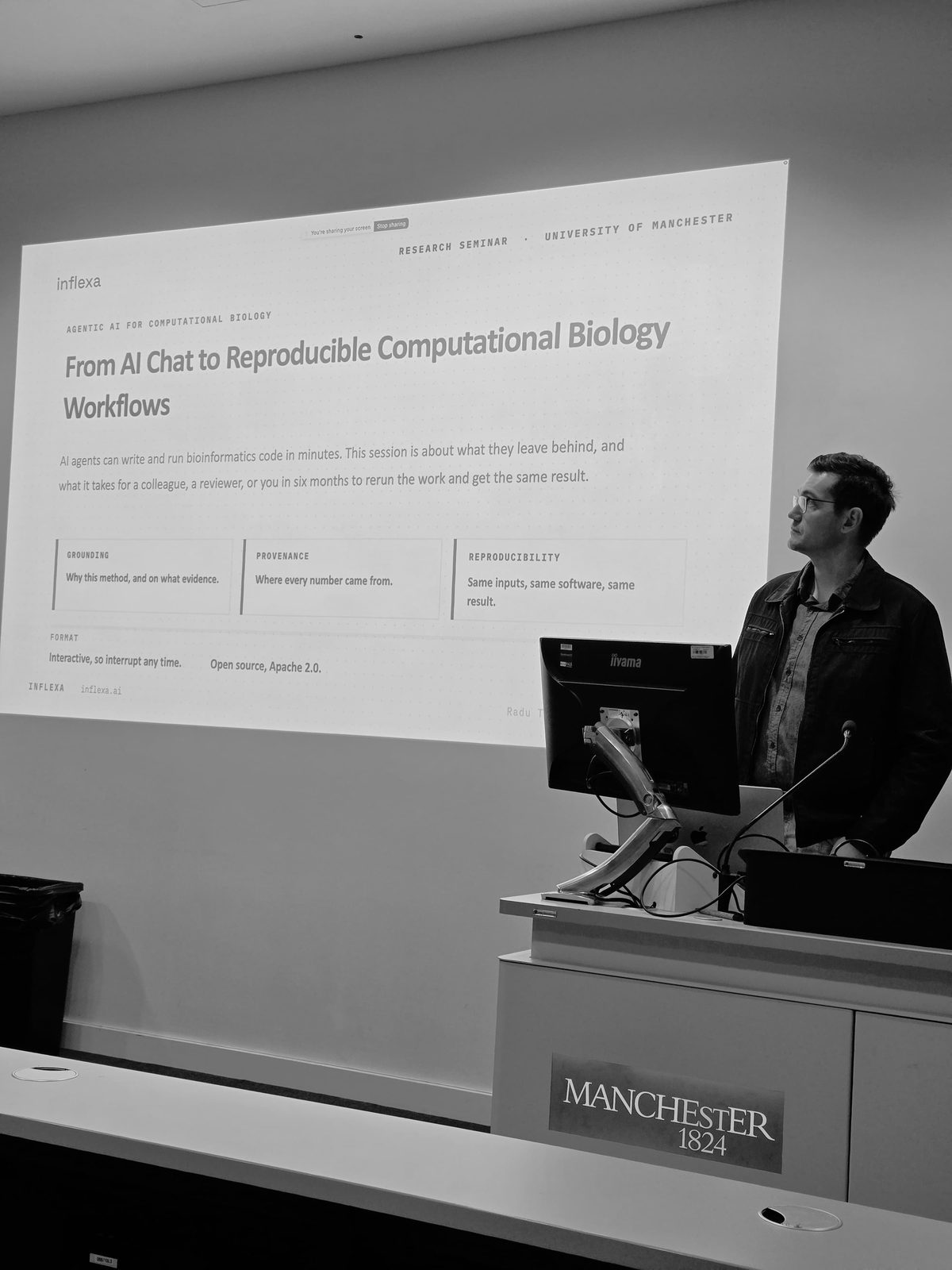
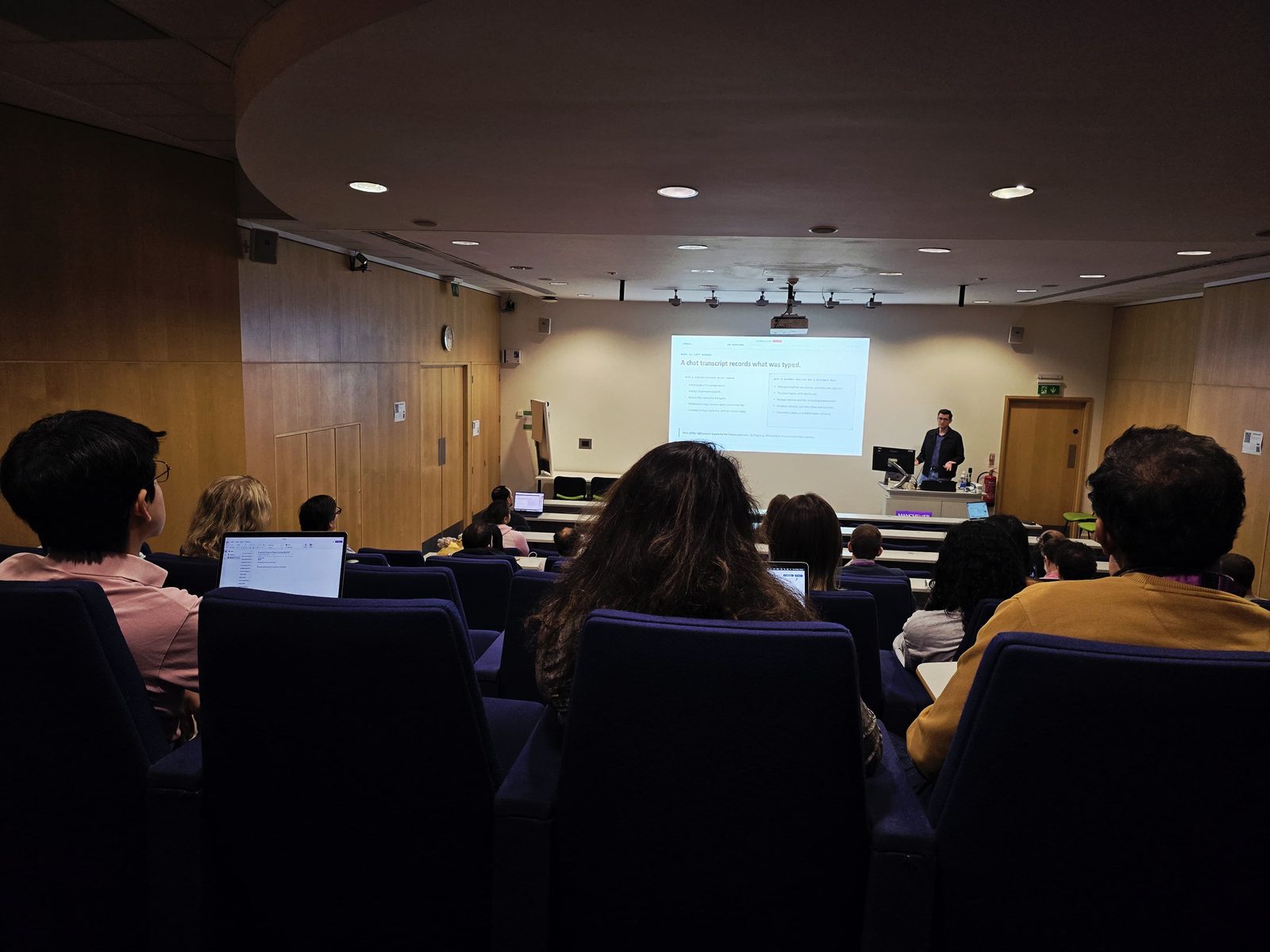
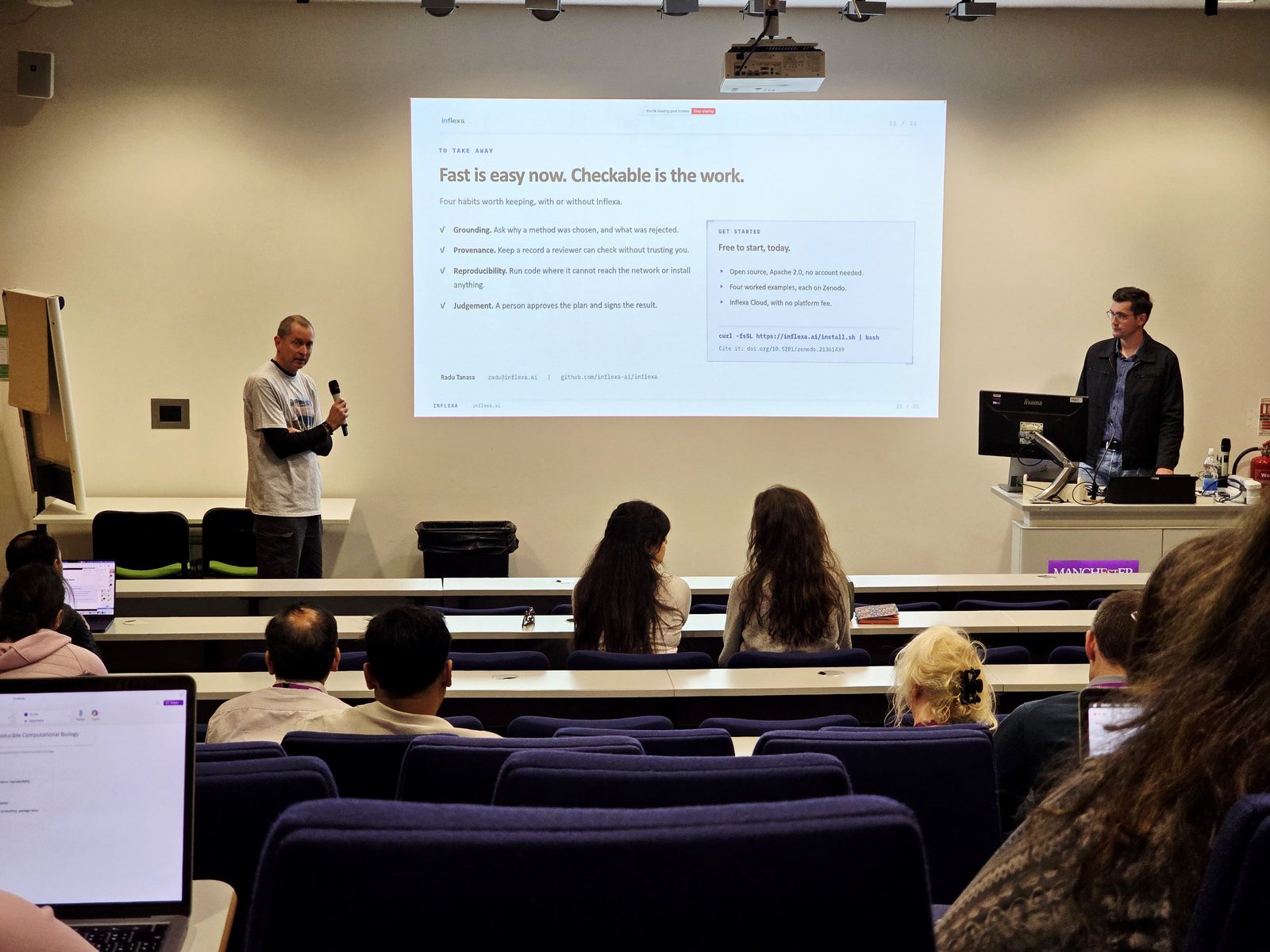
On Tuesday, Radu presented at a University of Manchester research seminar at the invitation of Leo Zeef. It turned into the same conversation as in Leeds: people want to use AI in their analysis, and they want work they can check and stand behind.
The seminar was only the start of the day. The rest of it went to meetings about how to make Inflexa available at Manchester. Those were first conversations, and they are the step we care about most: going from a good discussion in a room to something people can actually use in their work.
York: the same answer.
On Wednesday, Radu met Alastair Droop, Sandy Macdonald and Matthew Care at the University of York.
In all three places, we ended up talking about how we could work together, and each time the conversation converged on the same answer: start with the core.
Why the cores.
A lot of the analysis in a university runs through a small team of experts in a core facility. The data keeps growing, and now there is an expectation that AI should make everything instant. Every core we have spoken to is dealing with some version of that.
Fast is easy now. Trustworthy is still the hard part.
We would love to see core teams spend less time on routine runs and more on the judgment only they can bring, with every result easy to trace back and explain. A core's data, its compute and its ways of working are already in place, so whatever we build has to fit around them. That is why on-premises infrastructure and on-premises models are where this starts.
What comes next.
The only way to build this is with the people who run these cores, around how they really work. The next step is to keep those conversations going, and we will share more when there is more to share.
Thank you to Elton, Leo, Alastair, Sandy, Matthew and everyone who came along, for your time and your hospitality.
Run a core, or a group with data waiting for a paper?
We'd like to keep the conversation going, even if it's just to hear what's missing.